North Carolina’s new Premier Criminal Court Calendar is reshaping how citizens, attorneys, and policymakers anticipate court activity, offering a data‑driven glimpse into upcoming dockets, sentencing trends, and case outcomes. By turning the traditionally static schedule into a predictive tool, the system promises smoother case management and greater transparency—while also raising important questions about privacy and algorithmic fairness.
Why a Predictive Court Calendar Matters
For most people, a court calendar is a simple list of dates and case numbers. The upgraded version, however, layers historical data, statistical models, and real‑time updates to forecast:
- Case volume spikes that could strain judges and public defenders.
- Likely sentencing ranges based on past rulings for similar offenses.
- Resource needs such as courtroom space, bail‑bond services, and victim‑support staff.
These insights let courts allocate staff before a backlog forms, help attorneys advise clients with realistic expectations, and give community groups a clearer picture of local safety trends.
How Predictive Features Work
The calendar pulls three core data streams:
- Historical docket information from the past five years, anonymized to protect individual identities.
- Socio‑legal indicators such as arrest rates, demographic patterns, and legislative changes.
- Machine‑learning algorithms that identify patterns and generate probability scores for future events.
When a new case is entered, the system cross‑references these streams and produces a “forecast badge”—for example, “High probability of plea agreement within 30 days.” Users can filter results by county, offense type, or judge, making the tool adaptable for both statewide planners and local law firms.
Benefits for Everyday Users
Citizens and Community Advocates
Residents can now see, at a glance, how many criminal cases are slated for their district in the coming weeks. This visibility helps community groups plan outreach, monitor potential hotspots, and engage with elected officials about resource gaps.
Legal Professionals
Attorneys receive early signals about likely case trajectories, allowing them to negotiate more effectively and reduce time spent on protracted battles. Public defenders, in particular, can prioritize cases that are predicted to require urgent attention.
Court Administrators
By forecasting peaks, administrators can schedule additional judges or temporary courtroom spaces, cutting down on delays that often cost taxpayers thousands of dollars per day.
Potential Pitfalls to Watch
While the predictive calendar offers clear advantages, several cautions merit attention:
- Algorithmic bias—If historical data reflects systemic disparities, the forecasts may unintentionally reinforce them. Ongoing audits are essential.
- Privacy concerns—Even anonymized data can sometimes be re‑identified when combined with external sources. Robust safeguards must stay in place.
- Overreliance on forecasts—Judges and lawyers should treat predictions as guides, not determinants. Human judgment remains crucial for justice.
Next Steps for Stakeholders
North Carolina’s Department of Public Safety encourages all interested parties to explore the calendar’s public portal, sign up for tutorial webinars, and provide feedback on usability. Law schools are incorporating the tool into criminal‑procedure courses, giving the next generation of lawyers a hands‑on understanding of data‑informed advocacy.
For those wary of the technology, the department offers an “opt‑out” option for certain sensitive case categories, ensuring that the system respects both transparency and confidentiality.
Looking Ahead
As predictive analytics continue to mature, the Premier Criminal Court Calendar could expand to include restorative‑justice metrics, probation compliance trends, and even cross‑state comparisons. The ultimate goal is a more efficient, equitable justice system where every stakeholder—court staff, attorneys, victims, and the public—benefits from clearer, data‑backed expectations.
Bodyweight Squat: Guide, Muscles Worked, Tips | Athlemove
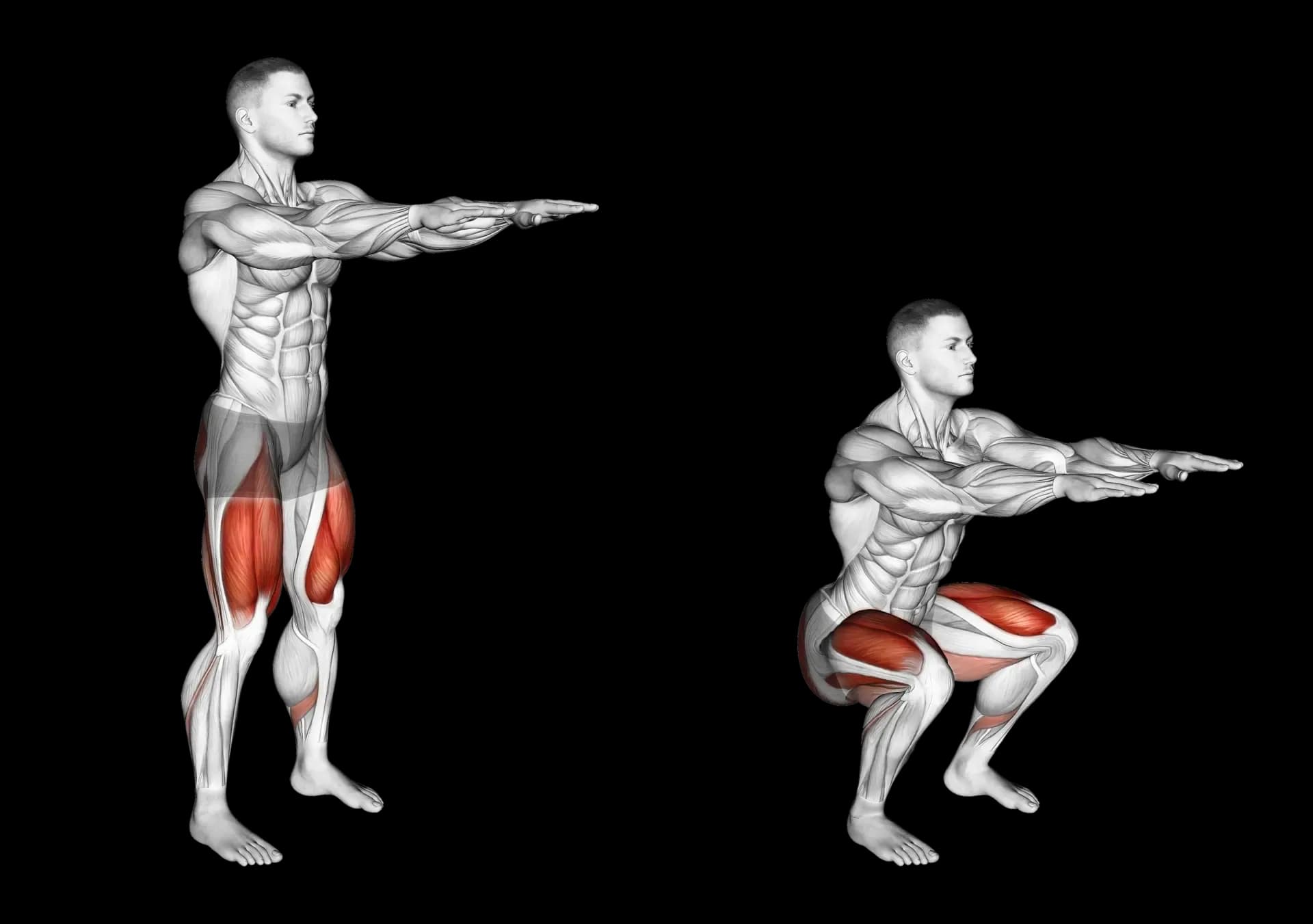
Bodyweight Squat: Guide, Muscles Worked, Tips | Athlemove
Bodyweight Squat Standards For Men And Women (kg) - Strength Level

Bodyweight Squat Standards for Men and Women (kg) - Strength Level
Bodyweight Squat Bodyweight Squats Workout Latest TikTok Shop
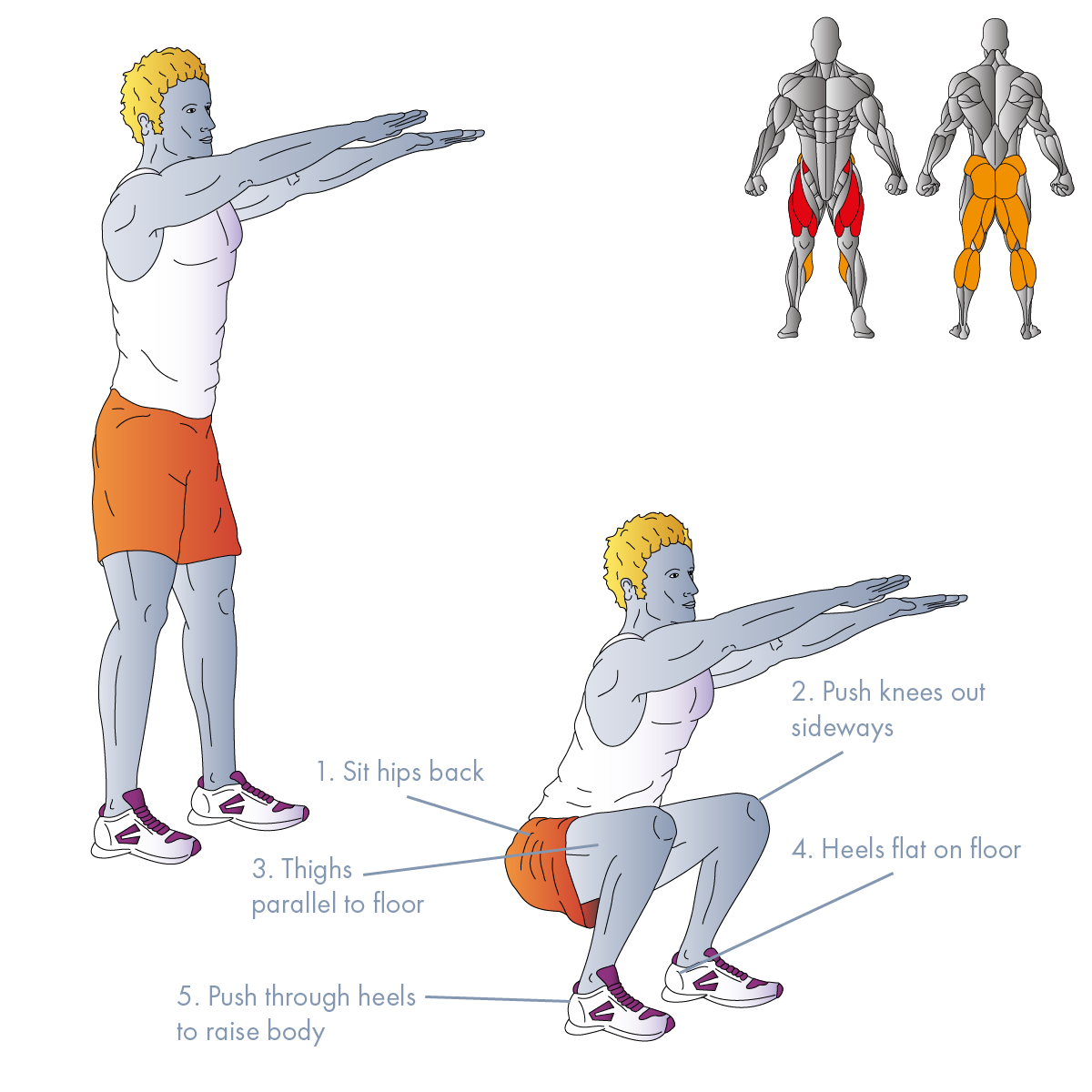
Bodyweight Squat Bodyweight Squats Workout Latest TikTok Shop
Bodyweight Squat Standards For Men And Women (kg) - Strength Level

Bodyweight Squat Standards for Men and Women (kg) - Strength Level
Bodyweight Overhead Squat: Arms-Up Mobility Squat

Bodyweight Overhead Squat: Arms-Up Mobility Squat