When a content management system (CMS) runs on a predictable day‑by‑day schedule, teams report sharper focus, fewer missed deadlines, and a measurable boost in publishing velocity. By turning ad‑hoc publishing into a repeatable rhythm, the “Day B Day” approach eliminates the guesswork that stalls even seasoned hobbyist creators.
Why a Rigid Calendar Beats Reactive Publishing
Most CMS users juggle multiple content types, stakeholder approvals, and platform updates. Without a fixed cadence, each task competes for attention, leading to bottlenecks and duplicated effort. A day‑by‑day schedule forces a clear allocation of time: morning slots for drafting, mid‑day windows for review, and late‑afternoon periods for publishing. This structure mirrors the discipline of a household budget—every dollar (or minute) is earmarked before the month begins, preventing overspend and surprise shortfalls.
Implementing the Day‑by‑Day Framework
Start by mapping the core stages of your publishing pipeline onto a weekly grid. For a typical five‑day workweek, a practical layout might look like this:
- Monday – Ideation & Research: Reserve the first two hours for trend scouting and keyword analysis.
- Tuesday – Drafting: Block a solid three‑hour window to create first drafts without interruption.
- Wednesday – Internal Review: Assign a fixed two‑hour peer‑review period, followed by a brief feedback loop.
- Thursday – Optimization & SEO: Use dedicated time to embed meta tags, alt text, and internal links.
- Friday – Publishing & Distribution: Schedule the final push, including social media queuing and analytics checks.
Adjust the slots to match your team’s capacity, but keep the pattern consistent. Consistency is the lever that turns a chaotic workflow into a repeatable process.
Real‑World Example: A Hobbyist Blog Turned Micro‑Business
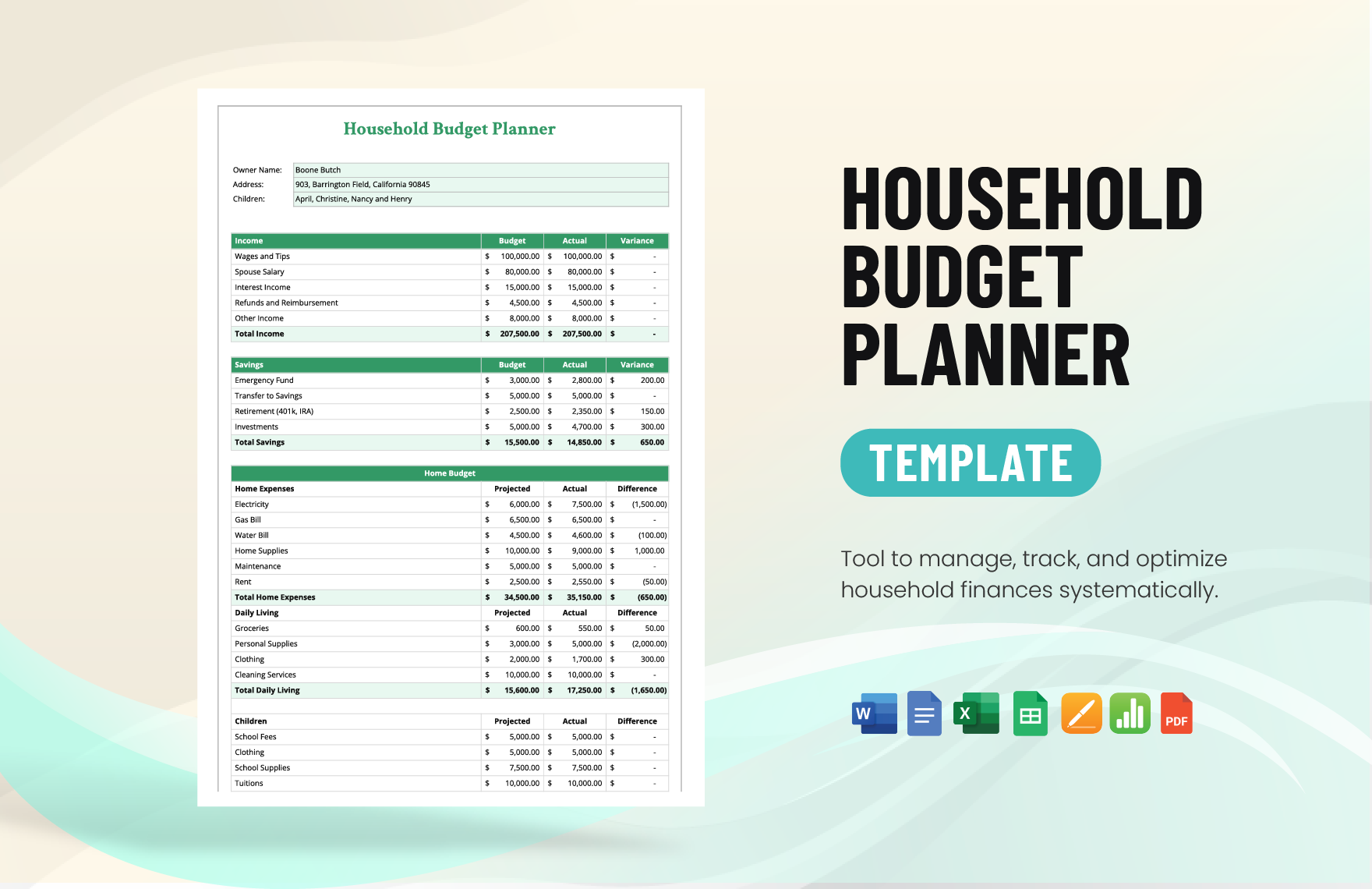
Jenna, an experienced DIY enthusiast, struggled to keep her craft blog updated while managing freelance gigs. She adopted a day‑by‑day schedule, aligning her CMS tasks with a printable planner (see image). By treating each publishing step like a line‑item on a budget, she reduced her average article turnaround from ten days to four. The visual planner helped her see at a glance which day was earmarked for research versus posting, reinforcing accountability.
Benefits That Translate Into Measurable Gains
- Predictable Output: With set days for each phase, you can forecast how many pieces will go live each week.
- Reduced Context Switching: Concentrating on one activity per day minimizes mental fatigue.
- Clear Ownership: Assigning owners to specific days eliminates ambiguity about who does what.
- Data‑Driven Adjustments: Weekly analytics can be directly tied to the day‑by‑day plan, making it easier to spot inefficiencies.
Getting Started: A Quick Checklist
Before you roll out the schedule, run through this short list to ensure smooth adoption:
- Audit your current CMS workflow and identify repetitive tasks.
- Choose a visual planning tool (a printable template, digital board, or calendar).
- Define concrete time blocks for each stage, respecting your team’s peak productivity windows.
- Communicate the new rhythm to all contributors and set expectations for adherence.
- Review the first two weeks’ output, then tweak the allocation as needed.
Bottom Line
The “Day B Day” schedule transforms a CMS from a reactive sandbox into a disciplined production line. By assigning each publishing phase a dedicated day, hobbyist creators can cut wasted time, improve content quality, and ultimately scale their output without sacrificing the creative spark that drew them to the medium in the first place.