When the iconic clash between Tetsuo and Kaneda from Akira is rendered in high‑resolution digital art, it does more than showcase technical skill—it revives a cultural milestone that continues to influence manga, animation, and 3D modeling communities worldwide.
Why does the Tetsuo vs. Kaneda showdown matter?
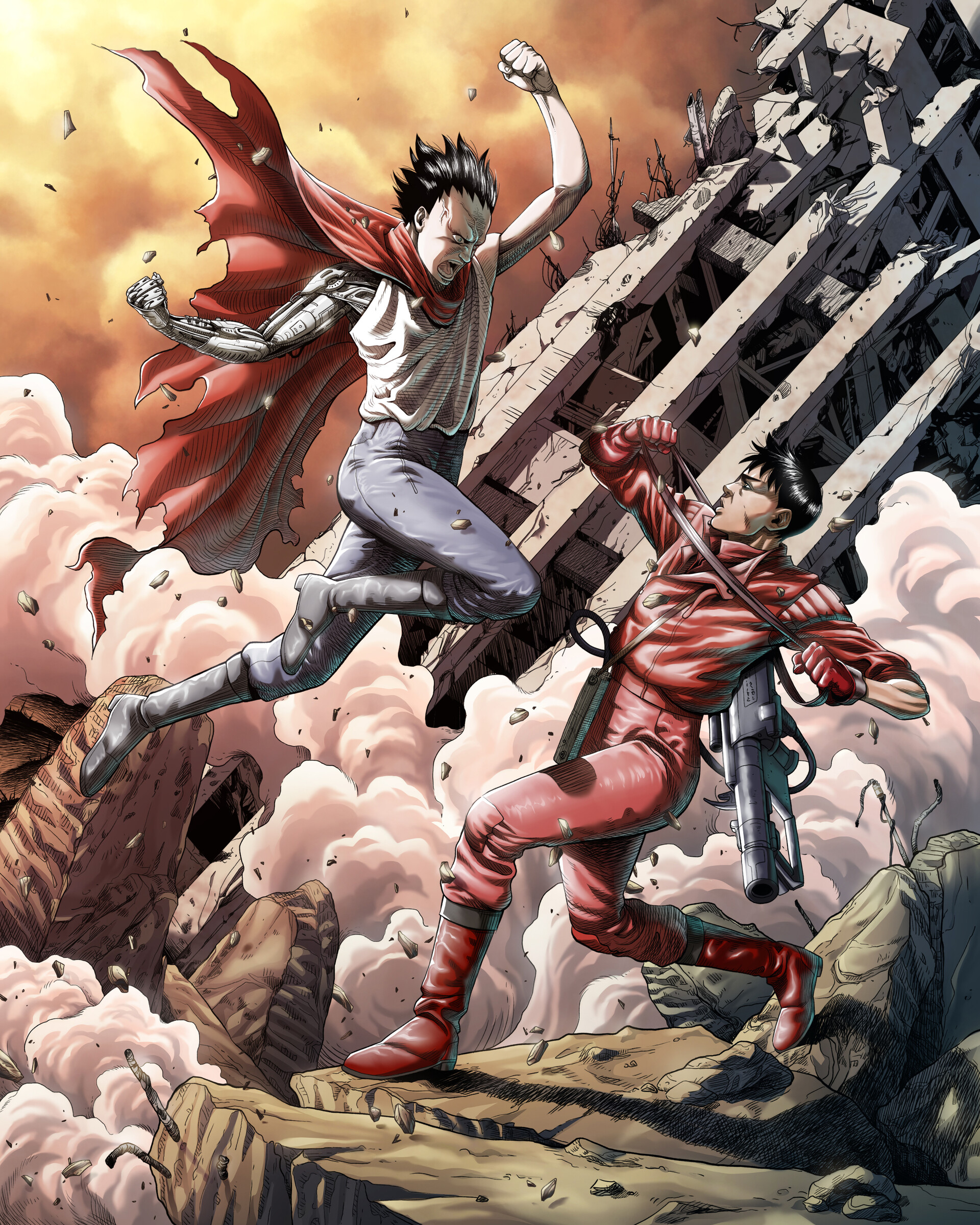
The rivalry between Tetsuo Shima and Shotaro Kaneda is the narrative core of Katsuhiro Otomo’s 1988 masterpiece, a story that blends dystopia, psychic power, and teenage rebellion. The image titled “Akira Tetsuo Kaneda” captures the exact moment of their climactic confrontation, a scene that has become a visual shorthand for chaos versus order. For fans and scholars, the artwork acts as a reference point that illustrates how visual storytelling can communicate complex themes without a single line of dialogue.
How does the piece reflect Akira’s core themes?
Two recurring motifs—urban decay and uncontrolled power—are rendered through a striking color palette: cold blues and harsh reds. The composition places Kaneda in the foreground, his iconic motorcycle barely visible, while Tetsuo’s expanding aura dominates the upper space, suggesting the inevitable spread of destruction. This visual hierarchy mirrors the film’s commentary on technological advancement outpacing human responsibility, a concern still relevant in today’s AI‑driven landscape.
What can 3D artists learn from the ZBrush rendition?
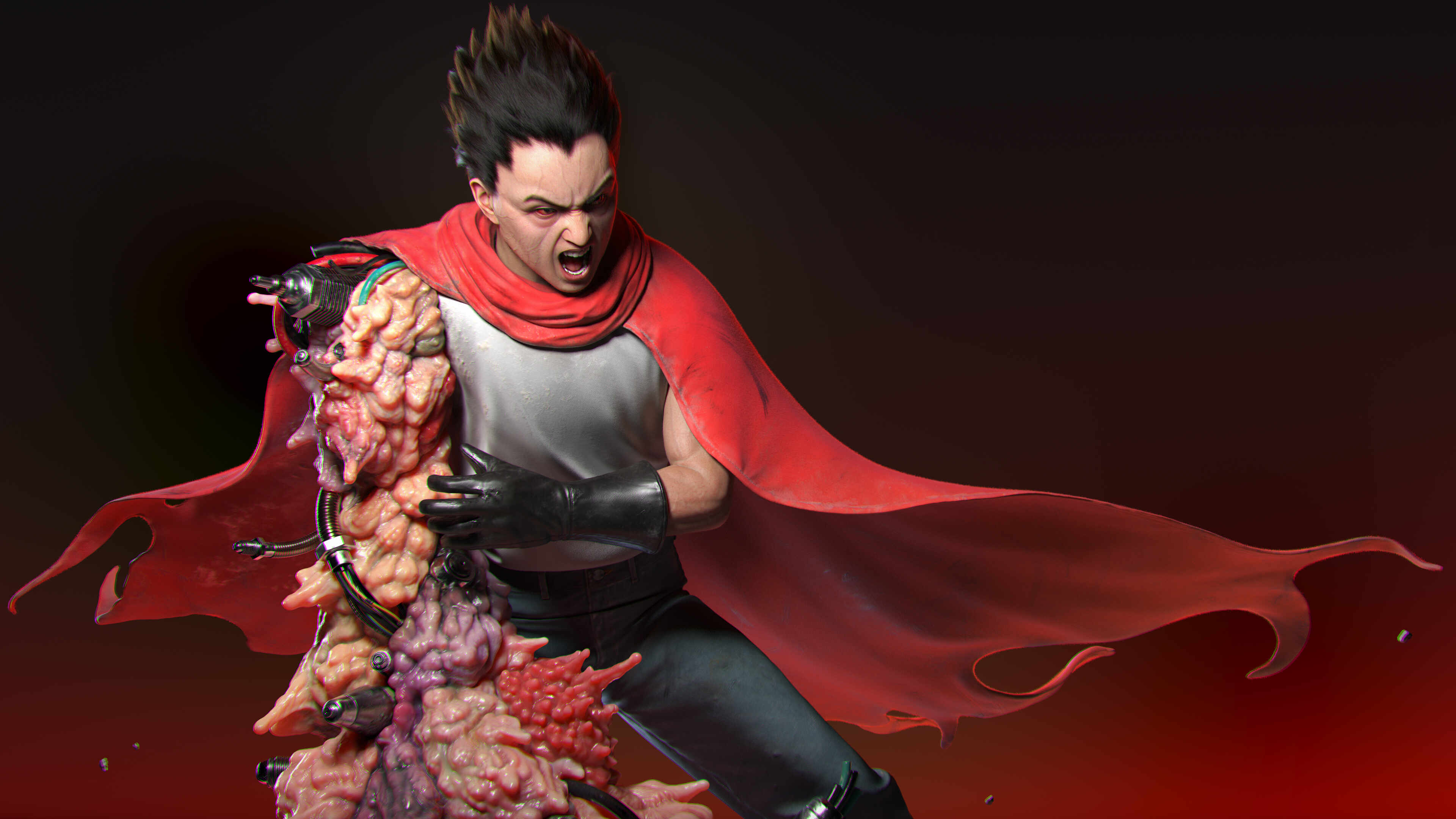
The second image, a ZBrush model of Tetsuo, demonstrates how traditional 2‑D anime aesthetics can be translated into three‑dimensional form without losing their stylized essence. By emphasizing exaggerated musculature and exaggerated energy veins, the artist preserves the hyper‑realism that fans associate with the character’s psychic surge. This approach provides a practical blueprint for creators seeking to maintain brand fidelity while exploring new mediums.
What impact does this artwork have on contemporary media?
Beyond fan appreciation, the images serve as teaching tools in art schools and digital workshops, illustrating how composition, lighting, and narrative can be merged into a single frame. Studios that produce cyber‑punk or dystopian content frequently cite Akira’s visual language as a benchmark, making these artworks valuable case studies for anyone tasked with world‑building in visual media. Moreover, the reuse of such imagery in community forums reinforces a shared cultural memory that keeps the original film alive for new generations.
How can enthusiasts engage with the piece today?
Collectors can obtain high‑resolution prints directly from the artist’s portfolio, while hobbyists can recreate the scene in their own software by studying the reference images. Online forums often host challenges where participants reinterpret the showdown using different tools—raster, vector, or sculpt—turning a single iconic moment into a collaborative learning experience.
Tetsuo Shima (Akira) Concept | Fandom

Tetsuo Shima (Akira) concept | Fandom
Akira Tetsuo ICO 4 By MASTERQ2 On DeviantArt

Akira tetsuo ICO 4 by MASTERQ2 on DeviantArt
Tetsuo-akira By Crayola-madness On DeviantArt
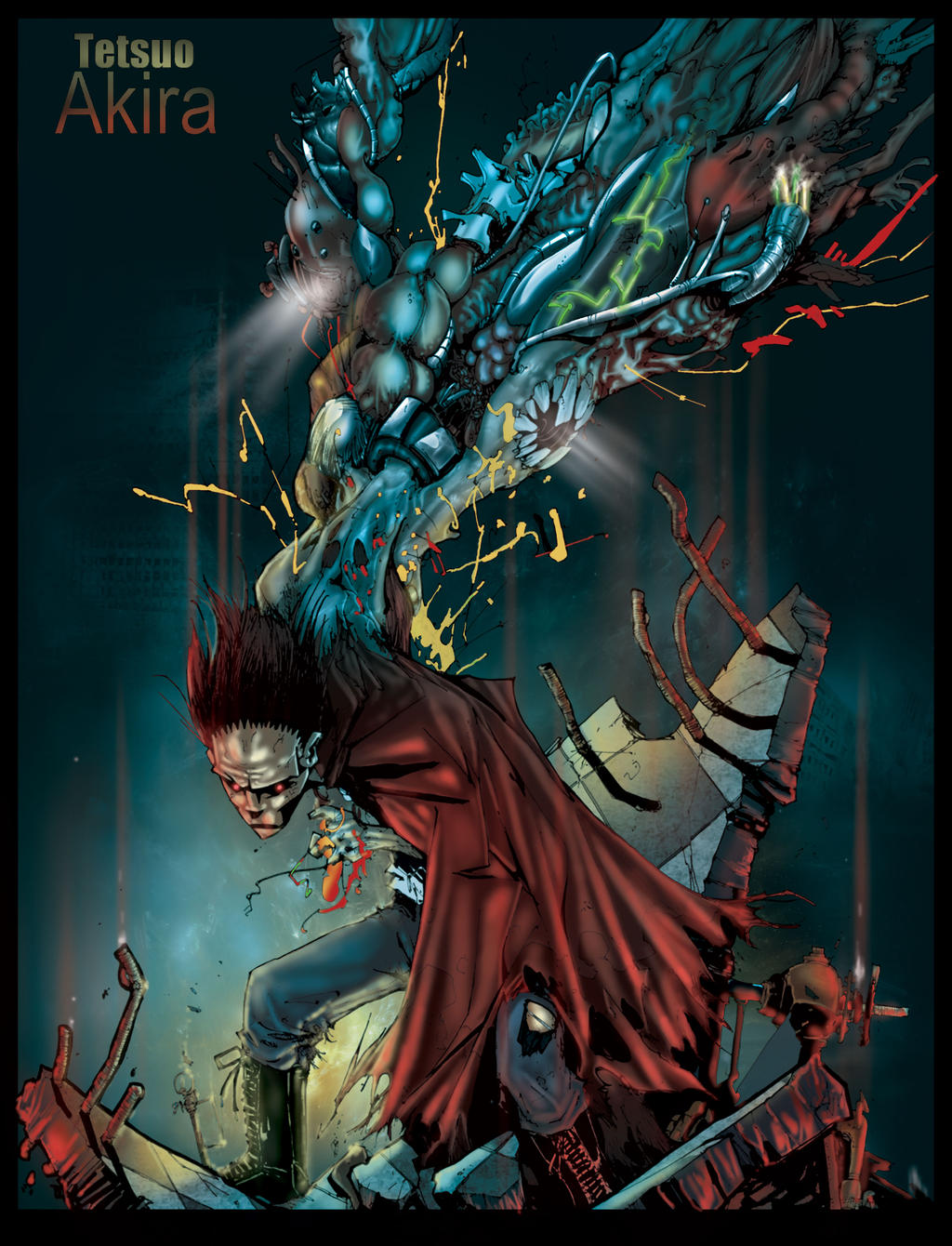
Tetsuo-akira by Crayola-madness on DeviantArt