Navigating the world of taxes as a side hustler can be overwhelming, especially when it comes to understanding which IRS tax forms to use. With the rise of the gig economy, more individuals are seeking ways to supplement their income, but this often means dealing with complex tax situations. The good news is that the process can be simplified by breaking down the requirements into manageable steps and understanding the purpose of each form. Whether you're freelancing, selling products online, or driving for a ride-share company, having a clear grasp of IRS tax forms is essential for compliance and avoiding potential penalties.
What IRS Tax Forms Do Side Hustlers Need to File?
The type of IRS tax form a side hustler needs to file depends on the nature of their business and the amount of income earned. For many, the 1040 form is the starting point, as it is the standard form for personal income tax. However, those with self-employment income may also need to complete Schedule C to report business income and expenses, and Schedule SE for self-employment tax. Understanding which forms are necessary and how to accurately fill them out is crucial for side hustlers to ensure they are meeting their tax obligations.
How to Simplify the Tax Filing Process for Side Hustlers
Simplifying the tax filing process involves organization, education, and sometimes, seeking professional help. Keeping accurate and detailed records of business expenses throughout the year can make a significant difference when it comes time to file taxes. Utilizing tax software designed for self-employed individuals can also streamline the process, guiding users through the necessary forms and calculations. Furthermore, staying informed about tax deductions and credits available to side hustlers can help reduce the tax liability, making the process more manageable and less costly.
For those who are new to the world of side hustling, it's important to note that the IRS provides resources and guidance on its website, including tutorials and FAQs specifically for self-employed individuals. Taking advantage of these resources can help demystify the tax filing process and ensure compliance with all tax laws and regulations.
Implications of Not Filing Correctly: Penalties and Audits
While the idea of simplifying IRS tax forms for side hustlers is appealing, it's equally important to understand the implications of not filing correctly. Failure to report all income, incorrectly claiming deductions, or not filing on time can lead to penalties and audits. The IRS takes tax compliance seriously, and side hustlers are not exempt from these rules. Being proactive and seeking help when needed can prevent costly mistakes and ensure a smooth tax filing experience.

In conclusion, navigating IRS tax forms as a side hustler requires understanding, organization, and sometimes, a little help. By simplifying the process through education and the right tools, side hustlers can ensure they are meeting their tax obligations without unnecessary stress or financial burden. Remember, compliance is key, and seeking to understand the tax filing process is the first step towards a hassle-free experience.
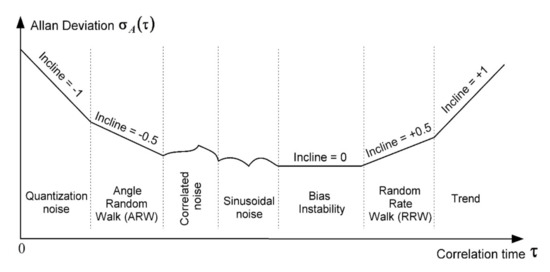
Raw Gyroscope Data And The Corresponding Allan Deviation Curves For

Raw gyroscope data and the corresponding Allan deviation curves for ...
Allan Deviation Of The Relative Phase Dynamics In A Passive Gyroscope

Allan deviation of the relative phase dynamics in a passive gyroscope ...
Allan Standard Deviation Curve Of MEMS Gyroscope Signal. | Download

Allan standard deviation curve of MEMS gyroscope signal. | Download ...
Raw Gyroscope Data And The Corresponding Allan Deviation Curves For

Raw gyroscope data and the corresponding Allan deviation curves for ...